 For candidates →
STEM schools engagement
220+ engineering-focused secondary schools and FE colleges in the partner network. Sector-specific content libraries; 60% of partner schools sit in DfE opportunity areas or low-progression postcodes.
22 deployments across UK engineering, manufacturing and logistics. Apprenticeship-heavy by sector reality and by design — we build Level 3-to-Level 6 routeways that hit retention, support chartership, and start in school. IMechE, IET, RAEng and Engineering Council aligned throughout.
In engineering and manufacturing, the unit cost of a bad early-careers hire is enormous. Two years of apprentice training plus an EPA at the end. That’s why retention — not time-to-fill — is the metric that actually pays for the platform.
We design the pipeline backwards from chartered status: what the candidate will need to demonstrate at L4, L5, L6, then what to assess at L2/L3 selection.
Three structural problems compound across UK engineering and manufacturing. The candidate pool is too narrow. STEM A-level take-up has been flat for a decade; T-levels are still ramping; the visible engineering brands are not the ones a 14-year-old in a non-engineering family encounters. The candidate pool starts too late. Most early-careers hiring effort lands at age 18–19; by then the choice between engineering and adjacent sectors has already been made. The cost of attrition is asymmetric. A graduate who leaves at month 9 is expensive; a Level 3 apprentice who leaves at month 18 is twice as expensive, because the EPA is a year out.
In engineering, the early-careers question is decided in year 9, not year 13.
The fix is to widen and lengthen the pipeline. We engage at age 14–18 through Schools Engagement and Immersive Work Experience — specifically targeting opportunity-area schools, where engineering brands are least visible. We capture behavioural signal during IWX before applications arrive. We score for the things that actually predict L3-to-L6 progression. And we keep adverse-impact monitoring on through the whole pipeline, because the sector’s historical D&I numbers are not where they need to be.
220+ engineering-focused secondary schools and FE colleges in the partner network. Sector-specific content libraries; 60% of partner schools sit in DfE opportunity areas or low-progression postcodes.
Branded virtual work experience for ages 14–18 covering CAD, manufacturing process, project engineering, supply chain. DHL ran 38,000 students through its 2025 programme — 3× the sector completion benchmark.
Levy planning, provider matching, candidate marketing and shortlist management. Designed for cohorts of 50–500 apprentices per year across L2 to L6.
Behavioural assessment models tuned for engineering apprenticeship progression rather than graduate-scheme bias. Early indicators of EPA pass-rate and chartership progression.
First-90-days programmes that map to IMechE, IET and Engineering Council professional registration routes. Schneider Electric: 89% 24-month retention vs 67% industry benchmark.
Real-time disaggregated reporting on the diversity outcomes engineering as a sector has historically struggled with. Pipeline visibility from year 9 through Engineering Council registration.
Apprenticeship-heavy hiring only works if the assessment maps to where the apprentice is going — chartered membership through the licensed Engineering Council bodies. The frameworks are pre-configured.
Procurement: IfATE-recognised standards mapped per occupation; methodology pack on request.
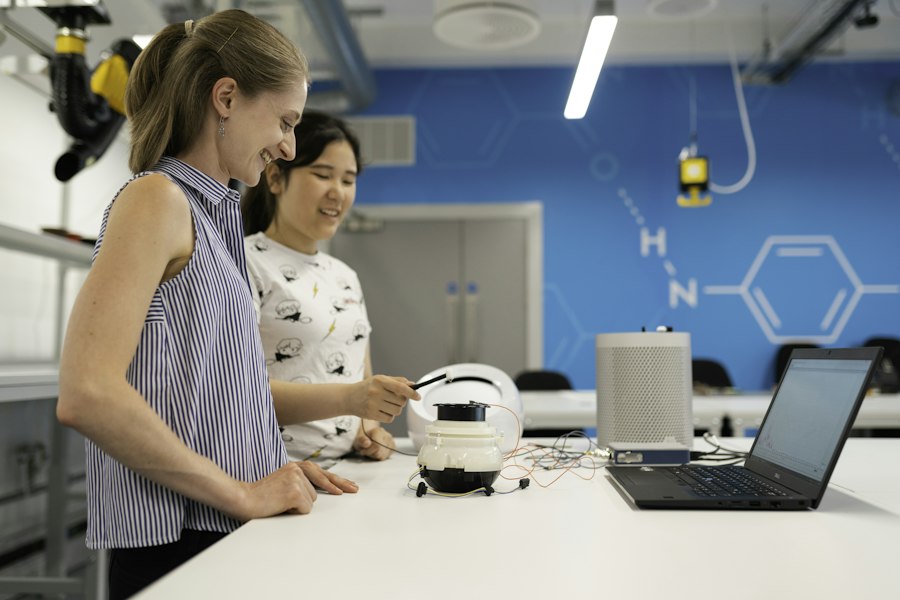 Featured · Schneider Electric
Schneider Electric runs a Level 3-to-Level 6 engineering routeway across nine UK sites. After two intake cycles on the Talent People platform, 24-month apprentice retention sits at 89% — against an industry benchmark of 67%. The programme was a finalist at the 2025 ISE Awards. Co-designed with the Schneider apprenticeship team, the IET and the TTP schools team.
Our engineering lead came from in-house early-careers at a UK FTSE 100 manufacturer and has run apprentice programmes from L2 to L6. The first conversation is usually 45 minutes, with a tailored design brief as a follow-up. Bring your hardest retention number.